

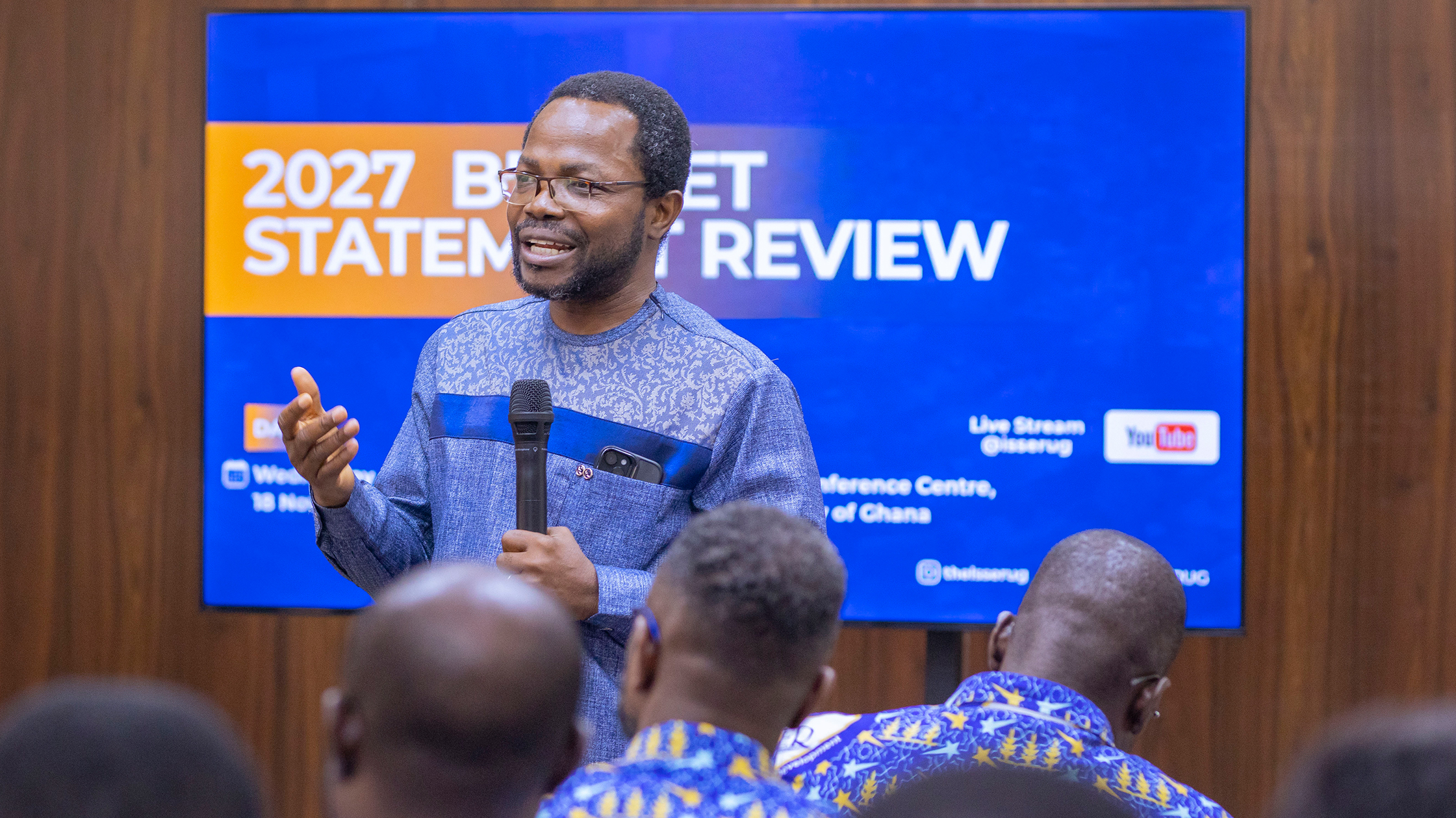

The Institute of Statistical, Social and Economic Research (ISSER), University of Ghana, has called for credible financing, greater accountability and independent evaluation in the implementation of the Government of Ghana's 2027 Budget, stressing that the success of proposed investments must ultimately be measured by the results they deliver for citizens.
The call was made at the Institute's review of the 2027 Budget Statement and Economic Policy, which examined the government's fiscal and economic priorities, financing assumptions and proposed interventions across key sectors.
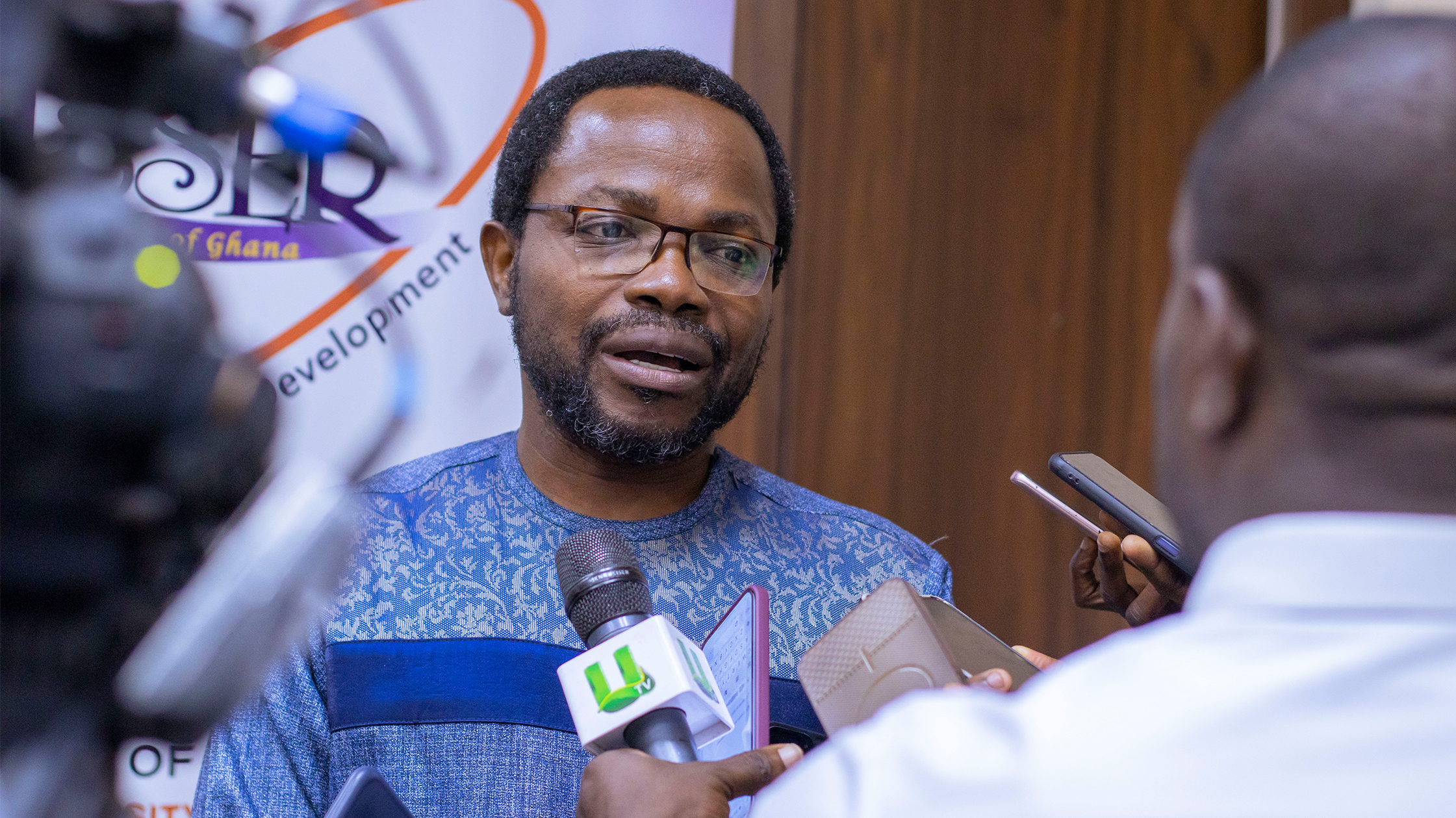
In his opening remarks, Prof. Simon Bawakyillenuo, Head of the Social Division, who represented the Director of ISSER, underscored the importance of providing independent, evidence-informed perspectives on national economic and development issues. He also highlighted the value of sustained engagement with the media in making research findings accessible and informing public discourse.

Presenting ISSER's analysis, Prof. Fred Dzanku, Head of the Economics Division, examined the opportunities and implementation challenges associated with the Budget's proposed investment drive. He emphasised the need to look beyond headline allocations and assess whether government commitments are adequately financed, effectively implemented and translated into tangible improvements in people's lives.
A central message from the presentation was that the Budget should be judged not by what is announced, but by what is paid for, built, and ultimately delivered for people’s use and benefit.
The review was held on 18 November 2026 at the ISSER Conference Centre, University of Ghana, bringing together ISSER faculty, media representatives and other participants, both onsite and online.
Key highlights of the review
Financing, implementation and inclusive outcomes
A major focus was the financing of the proposed GH¢30 billion allocation to the New Economy programme in 2027, within a US$10 billion investment envelope for 2027–2030. With approximately 63 per cent of the 2027 allocation dependent on petroleum revenue and mineral royalties, ISSER highlighted the importance of assessing the reliability of projected revenues and government's capacity to meet its spending commitments.
The presentation also highlighted the gap between budget allocations and actual expenditure, noting that only 62 per cent of the 2025 capital budget was spent. This points to the need for stronger implementation arrangements and transparent reporting on project progress and expenditure.
On the broader economic outlook, concerns around inflation, exchange rate movements and access to credit were highlighted. The decline in private-sector credit and the high non-performing loan ratio in agricultural lending point to continuing constraints on businesses and producers, despite improvements in some macroeconomic indicators.
Across key sectors, ISSER emphasised the importance of assessing whether public investments translate into meaningful improvements in productivity, service delivery and livelihoods.
In agriculture and fisheries, investments in storage, irrigation, fish markets and aquaculture must translate into improved productivity, higher producer incomes and more stable food prices. The presentation also highlighted the need to address productivity gaps in tomato production through improved seeds and local processing opportunities.
For industry and exports, the impact of support for textiles and pharmaceuticals should be assessed through increased production and sales, greater local supply of essential medicines and diversification of Ghana's export markets.
In digital infrastructure and transport, measurable targets are needed to assess improved connectivity and affordability, more efficient freight movement and reduced transportation times. Similarly, investments in health and education should be evaluated by whether facilities become operational, health personnel are deployed, health outcomes improve and children acquire foundational literacy and numeracy skills.
On environmental sustainability, ISSER called for monitoring the actual restoration of degraded lands, improvements in water quality and other measurable environmental outcomes.
Jobs and livelihoods must go beyond headline targets
ISSER stressed the need for a clearer account of how the Budget's programmes will generate lasting employment and improve livelihoods. Job creation targets should distinguish temporary construction work from sustainable employment and track wages, working conditions, social protection and who benefits from public investments.
The Institute called for a common Jobs and Prosperity Scorecard to track net employment gains, real wages and the extent to which smaller producers and lower-income workers benefit from government interventions.
The presentation also underscored the distinction between project completion and functionality, drawing lessons from initiatives such as One District, One Factory, One Village, One Dam and Agenda 111. Reporting, it noted, must go beyond the number of projects completed to establish whether they are operational and delivering their intended services.
Five priorities for government
To strengthen the credibility and impact of the 2027 Budget, ISSER outlined five priorities for government:
- Publish a funded project list detailing financing sources, implementation milestones and contingency arrangements in the event of revenue shortfalls.
- Assess commercial readiness before restricting raw mineral exports, ensuring that local processors have access to reliable power, finance and markets.
- Make decent work a condition for public support, with measurable commitments on employment, remuneration, workplace safety and social protection.
- Ensure smaller producers share in the gains through accessible markets, transparent pricing arrangements and prompt payment.
- Integrate independent evaluation into major programmes from the outset to inform decisions on what should be expanded, redesigned or discontinued.
Sustaining engagement and informing public discourse
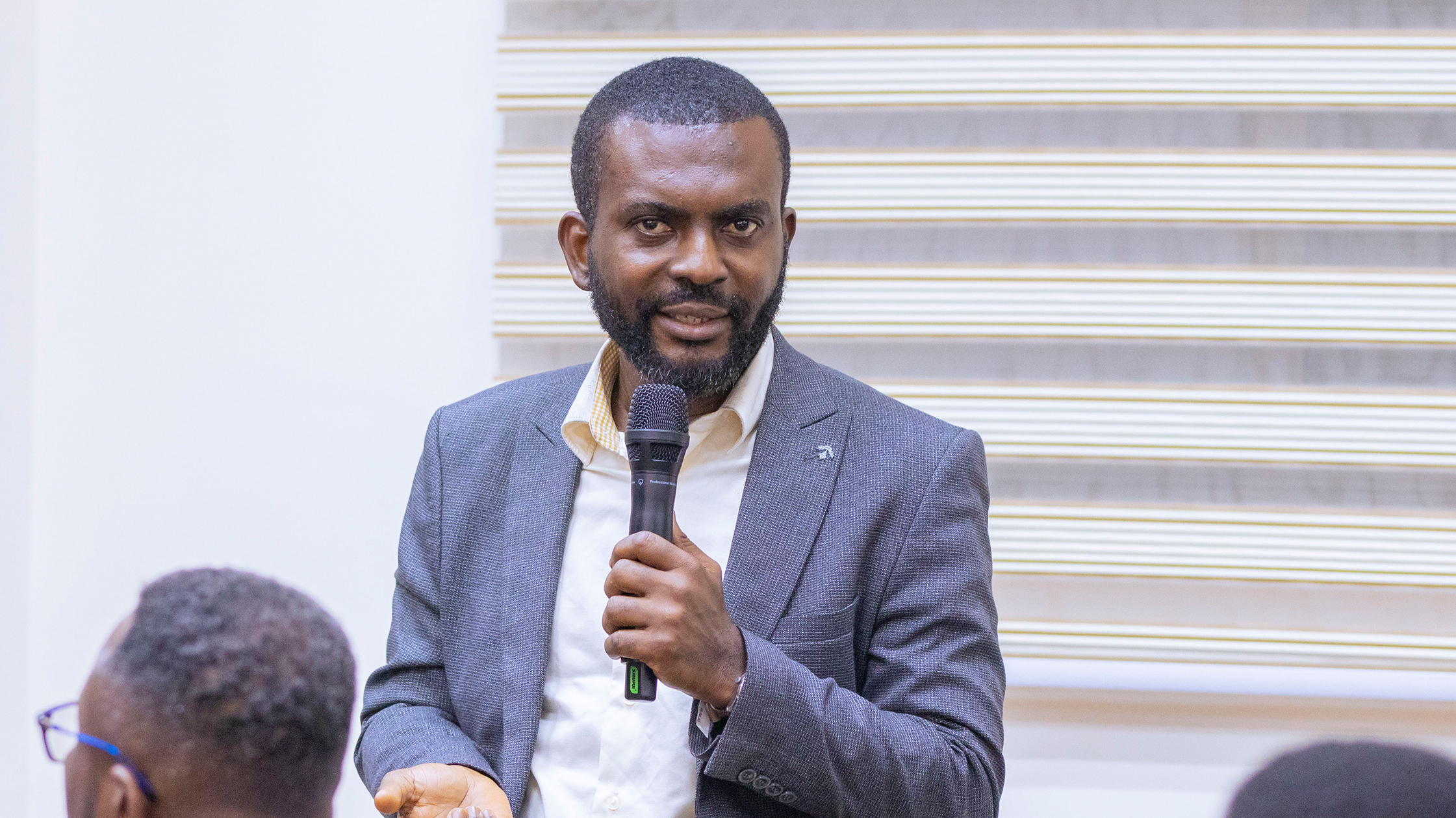
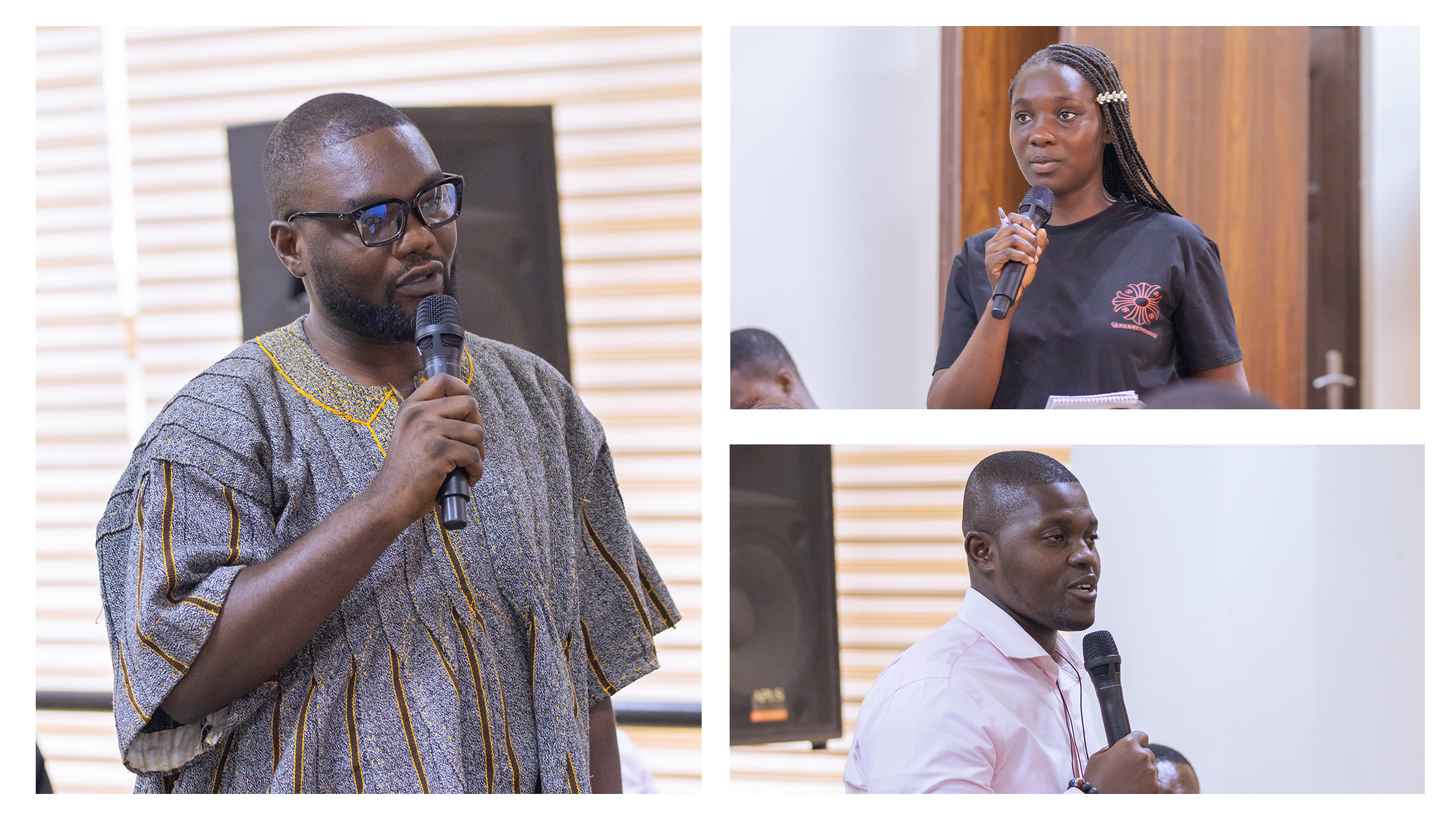
The presentation was followed by an interactive discussion moderated by Dr. Kwame Adjei-Mantey of the Economics Division, during which media representatives and other participants engaged ISSER faculty on the Budget's proposals and their implications for the economy and citizens.
The event was emceed by Vicentia Quartey, Assistant Registrar (Communications and Marketing Officer).
Watch the full review: https://bit.ly/48onyaB
Selected online media reports:
Graphic Online: 2027 Budget will be judged by outcomes - ISSER
Ghanaian Times:Prioritise projects to maximise value for money — ISSER urges govt
B&FT: ISSER seeks measurable outcomes from 2027 Budget
Myjoyonline: Gov’t must improve spending efficiency, prioritise jobs in 2027 budget – ISSER
Citi Newsroom: ISSER proposes jobs scorecard to track employment under $10bn New Economy Programme
- Log in to post comments